
2026 Conference

About the 2026 Conference
The 10th Annual Summer Conference on Election Science, Reform, and Administration (ESRA) took place from Monday, June 1 through Thursday, June 4 2026 at Arizona State University in Phoenix, Arizona. The conference was held at the Beus Center for Law and Society in downtown Phoenix.
Thanks to all of our attendees, presenters, and panelists! The 2026 conference was a memorable success thanks to the compelling research and thoughtful insights you shared. We hope to see many of you in Asheville next year.
Join us in Phoenix
2026 Conference Registration
Registration for the 2026 Conference is full!
This year, registration for the ESRA conference will include a registration fee. The fees will cover the costs of hosting the conference. Fees for attending the 2026 ESRA conference will be set at the following levels:
| 2026 ESRA Conference Fees | |
|---|---|
| Students | $125 |
| Faculty | $200 |
| Election Officials | $200 |
| All Others | $250 |
Please use the link below to register:
2026 Host Committee
Gisselle Ayala
Gisselle is a Coordinator within the Watts School of Public Affairs at Arizona State University. Gisselle is a member of the Mechanics of Democracy Laboratory (MODL) team. She actively supports MODL’s mission by coordinating events, assisting with communications and managing administrative functions that help drive the lab’s initiatives forward.

Thomas Collins
Thomas Collins is the Executive Director of the Arizona Citizens Clean Elections Commission.
Andrea DiFronzo
Andrea is an Assistant Director, Business Operations in the Morrison Institute for Public Policy within the Watts School of Public Affairs at Arizona State University. Andrea is a member of the Mechanics of Democracy Laboratory (MODL) team. She has over 20 years of business operations experience in higher education and actively supports MODL’s mission by running MODL’s business operations that help drive the lab’s initiatives forward.
Bill Gates
Bill Gates is Executive Director of the ASU Mechanics of Democracy Laboratory (MODL) and Professor of Practice at Arizona State University’s Watts College of Public Service and Community Solutions. He leads MODL’s efforts to professionalize election administration through practitioner-focused training, transparency initiatives, and the integration of emerging technologies. In 2025, he launched the AI + Elections Clinic to equip election officials nationwide with the tools and expertise to responsibly harness artificial intelligence in support of voter confidence and election integrity.
Bill previously served two terms on the Maricopa County Board of Supervisors (2017–2024), overseeing elections in one of the nation’s largest voting jurisdictions during the highly scrutinized 2020 and 2022 election cycles. He also served on the Phoenix City Council (2009–2016), including as Vice Mayor.
A practicing attorney in Phoenix for more than 25 years, Bill holds a B.S. from Drake University and a J.D. from Harvard Law School.
Allison JoAnn Lester
Dr. Allison JoAnn Lester is an Assistant Teaching Professor and action research scholar in University College's Success by Design unit at Arizona State University, Director of Curriculum Development for the ASU Mechanics of Democracy Lab, and a member of the AI + Elections Advisory Board.
Thom Reilly
Thom Reilly is a professor in the School of Public Affairs and co-director for the Center for an Independent and Sustainable Democracy at Arizona State University. He is the former chancellor of the Nevada System of Higher Education, chief executive officer/county manager for Clark County, Nevada (the Las Vegas Valley), and head of the child-welfare system for Nevada. He is a fellow of the National Academy of Public Administration.
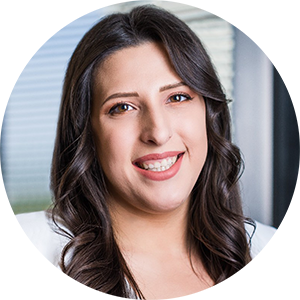
Sara Villalobos
Sara serves as Program Manager for the Mechanics of Democracy Laboratory Elections Administration Undergraduate Fellowship at Arizona State University, where she oversees program operations, coordinates partnerships, and supports the development of future election administration professionals through a nationally recognized, student-centered initiative. With over a decade of experience in higher education and public service programs, she is recognized for building effective systems and fostering collaboration. Sara holds a Bachelor of Fine Arts in Northern Arizona University, a foundation that informs her creative, solutions-oriented approach to advancing civic and educational initiatives.
2026 Program Committee
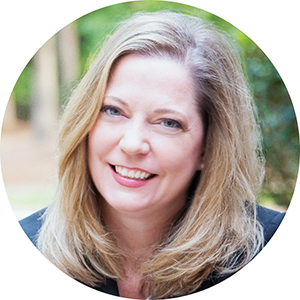
Karen Brinson Bell
Karen Brinson Bell, MPA, CERA, PMP, is the co-founder and principal of Advance Elections, LLC, supporting election officials through work with the MIT Election Data & Science Lab, where she serves as the Election Policy Fellow, and other organizations like the Election Security Exchange and Election Center’s Coalition of Election Association Leaders. A 20-year veteran in the elections profession, Karen served as the executive director of the North Carolina State Board of Elections from June 2019 to May 2025, overseeing the state's voting process for more than 7.5 million registered voters and guiding the 100 county boards of elections through hurricanes, a global pandemic, and record-setting turnout.
Bill Gates
Bill Gates is Executive Director of the ASU Mechanics of Democracy Laboratory (MODL) and Professor of Practice at Arizona State University’s Watts College of Public Service and Community Solutions. He leads MODL’s efforts to professionalize election administration through practitioner-focused training, transparency initiatives, and the integration of emerging technologies. In 2025, he launched the AI + Elections Clinic to equip election officials nationwide with the tools and expertise to responsibly harness artificial intelligence in support of voter confidence and election integrity.
Bill previously served two terms on the Maricopa County Board of Supervisors (2017–2024), overseeing elections in one of the nation’s largest voting jurisdictions during the highly scrutinized 2020 and 2022 election cycles. He also served on the Phoenix City Council (2009–2016), including as Vice Mayor.
A practicing attorney in Phoenix for more than 25 years, Bill holds a B.S. from Drake University and a J.D. from Harvard Law School.
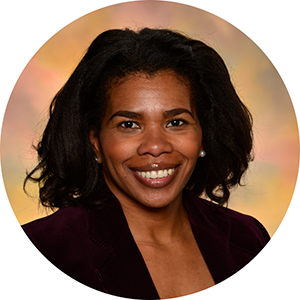
Bridgett King (chair)
Bridgett A. King, Ph.D., is an associate professor in the Department of Political Science at the University of Kentucky. Her research examines the administrative structure of felony disenfranchisement and its effect on participation and representation, citizen confidence in electoral outcomes, and the consequences of administrative discretion on voter experiences and democratic representation.
Extending this work on representation, her book manuscript, Black Election Officials: A Study of Black Americans Administering Elections, centers the voices of Black local election officials to explore leadership, public service motivation, structural challenges, and professional trajectories. King also leads the Leadership in Election Administration Project (LEAP), which uses a Community of Practice model to study how networking and professional development support retention, advancement, and belonging for election officials, generating evidence-based strategies to strengthen leadership and workforce sustainability.
Lauren Prather
Lauren Prather is an associate professor of political science at UC San Diego's School of Global Policy and Strategy and co-director of the Center for Transparent and Trusted Elections.